
"tropical coffee regions"
4000 article(s) found

Learn about the history of growing coffee
In fact, the Arabs began to grow coffee in 525 BC, and chewing fried coffee beans became popular in the Arab region. In 890 AD, Arab merchants sold coffee beans to Yemen, and Yemenis made coffee beans into drinks for the first time. In the 15th century, coffee was introduced into Europe, Asia and soon into America. By the 18th century, tropical and subtropical regions around the world were widespread.
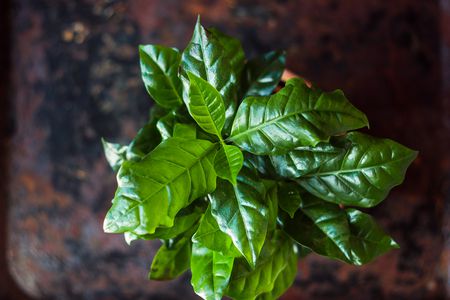
Areas and conditions suitable for growing coffee | how to grow Arabica coffee?
Professional coffee knowledge exchange more coffee bean information Please pay attention to the coffee workshop (Wechat official account cafe_style) Coffee planting areas and conditions since the coffee-producing countries we often come into contact with are tropical and subtropical climates between the Tropic of Cancer and Cancer, some people may take it for granted that coffee grows in the high temperature tropics, but in fact, coffee is usually planted.

Dominica Coffee Flavor description Variety production area treatment method introduction of Grinding degree and Baking degree
The Dominican Republic is a popular country for travelers. It lives next to Haiti on the island of Hispaniola in the West Indies, Dominica in the west and Haiti in the east. The whitest and softest white sand in the world, the cool sea breeze from the Atlantic and Caribbean and the warm sunshine in the tropics make it a holiday paradise on a par with Maldives and Hawaii.

Dominican coffee beans are produced in the Dominican Republic.
The Dominican Republic is a favorite country for travelers. It borders Haiti on Hispaniola in the West Indies, Dominica to the west and Haiti to the east. The whitest, softest white beaches in the world, cool ocean breezes from the Atlantic and Caribbean and warm tropical sunshine make it a holiday paradise on par with the Maldives and Hawaii

A brief introduction to the description of the flavor, taste and aroma characteristics of bright and sour Dominican coffee beans
The temperate climate in Dominica is conducive to coffee cultivation, and the best places to grow coffee are the Barahona region in the southwest and the Cibao Valley north of Santiago, Dominica's second largest city. The northern region, represented by Hibao, and the southern region, including Okayabani Santo Domingo, produce good coffee. Among them, Santo

A brief introduction to the origin, development, history and culture of Dominica boutique coffee beans with bright and sour taste
The temperate climate in Dominica is conducive to coffee cultivation, and the best places to grow coffee are the Barahona region in the southwest and the Cibao Valley north of Santiago, Dominica's second largest city. The northern region, represented by Hibao, and the southern region, including Okayabani Santo Domingo, produce good coffee. Among them, Santo

Taste rich Dominica's Santo Domingo Coffee introduces boutique coffee beans
The earliest coffee in Dominica was introduced from Martinique (the overseas province of France), dating back to the early 18th century. Dominica is an island country with a tropical climate. The temperature changes little throughout the year. Except for the lower temperature in the Central Cordillera Mountains, which can reach less than 0 ℃ in winter, the annual average temperature in other areas is between 25 and 30 ℃, which is affected by the mountain topography.

Fresh, light, full-grain Dominican coffee Santo Domingo coffee
The earliest coffee in Dominica was introduced from Martinique (French overseas department), dating back to the early 18th century. Dominica is an island country with a tropical climate. The temperature changes little throughout the year. Except for the middle Cordillera mountain area, where the temperature is lower than 0℃ in winter, the average annual temperature in other areas is between 25 and 30℃, which is affected by the terrain of the mountains.

Faint fruity flavor of Dominican coffee taste introduction to the characteristics of boutique coffee in the manor area
The Dominican Republic is a popular country for travelers. It lives next to Haiti on the island of Hispaniola in the West Indies, Dominica in the west and Haiti in the east. The whitest and softest white sand in the world, the cool sea breeze from the Atlantic and Caribbean and the warm sunshine in the tropics make it a holiday paradise on a par with Maldives and Hawaii.

The flavor, characteristics, taste and manor of Dominican coffee are pleasant.
The earliest coffee in Dominica was introduced from Martinique (the overseas province of France), dating back to the early 18th century. Dominica is an island country with a tropical climate. The temperature changes little throughout the year. Except for the lower temperature in the Central Cordillera Mountains, which can reach less than 0 ℃ in winter, the annual average temperature in other areas is between 25 and 30 ℃, which is affected by the mountain topography.
Coffee planting Coffee Tree
Coffee cultivation now, in the belt between the Tropic of Cancer and the Tropic of Cancer, coffee is widely grown. Coffee grown in different regions has different flavors. The unique soil, climatic conditions and planting methods of a country make the coffee produced in that country have a unique flavor. French winemakers call this phenomenon regional style. Geographically, a global coffee growing area
History of Coffee planting knowledge of Coffee Tree cultivation
In fact, the Arabs began to grow coffee in 525 BC, and chewing fried coffee beans became popular in the Arab region. In 890 AD, Arab merchants sold coffee beans to Yemen, and Yemenis made coffee beans into drinks for the first time. In the 15th century, coffee was introduced into Europe, Asia and soon into America. By the 18th century, tropical and subtropical regions around the world were widespread.

Nicaraguan Hope Manor Alexandria small Farmer's introduction to washed Fine Coffee
Professional coffee knowledge exchange more coffee bean information please follow the coffee workshop (Wechat official account cafe_style) front street-Nicaragua Hope Manor Alexandria small farmers washing introduce Nicaragua's climate the eastern plain is high-temperature and rainy, belonging to the tropical oceanic climate, many volcanoes and lakes. In the coastal lowlands of the west, the precipitation is obviously less than that of the east, and there are dry and wet seasons, so it belongs to tropical grass.

Flavor description of Burundian coffee beans introduction to the characteristics of varieties treated in the region of taste production
Burundian coffee beans flavor description taste regional treatment variety characteristics Burundian coffee was first introduced by the Germans in the 1900s; they found that bourbon is the most suitable coffee variety to grow in the local climatic environment. the local climate is usually tropical plateau climate, with a very large temperature difference between day and night. However, due to the suspension of investment in coffee research, bourbon stayed here.
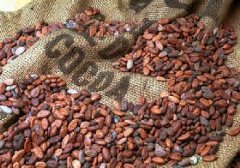
The basic knowledge of the History of Coffee cultivation
In fact, the Arabs began to grow coffee in 525 BC, and chewing fried coffee beans became popular in the Arab region. In 890 AD, Arab merchants sold coffee beans to Yemen, and Yemenis made coffee beans into drinks for the first time. In the 15th century, coffee was introduced into Europe, Asia and soon into America. By the 18th century, tropical and subtropical regions around the world were widespread.

Introduction to the boutique coffee beans in the manor area
The earliest coffee in Dominica was introduced from Martinique (the overseas province of France), dating back to the early 18th century. Dominica is an island country with a tropical climate. The temperature changes little throughout the year. Except for the lower temperature in the Central Cordillera Mountains, which can reach less than 0 ℃ in winter, the annual average temperature in other areas is between 25 and 30 ℃, which is affected by the mountain topography.

Fragrance pleasant Dominican coffee variety characteristics taste Manor boutique coffee bean flavor
The earliest coffee in Dominica was introduced from Martinique (the overseas province of France), dating back to the early 18th century. Dominica is an island country with a tropical climate. The temperature changes little throughout the year. Except for the lower temperature in the Central Cordillera Mountains, which can reach less than 0 ℃ in winter, the annual average temperature in other areas is between 25 and 30 ℃, which is affected by the mountain topography.

Introduction to the description Price of the Flavor of Dominica Coffee varieties
The earliest coffee in Dominica was introduced from Martinique (the overseas province of France), dating back to the early 18th century. Dominica is an island country with a tropical climate. The temperature changes little throughout the year. Except for the lower temperature in the Central Cordillera Mountains, which can reach less than 0 ℃ in winter, the annual average temperature in other areas is between 25 and 30 ℃, which is affected by the mountain topography.

Characteristics of Dominica coffee beans in Dominica coffee producing areas
The Dominican Republic is a popular country for travelers. It lives next to Haiti on the island of Hispaniola in the West Indies, Dominica in the west and Haiti in the east. The whitest and softest white sand in the world, the cool sea breeze from the Atlantic and Caribbean and the warm sunshine in the tropics make it a holiday paradise on a par with Maldives and Hawaii.

A brief introduction to the treatment method of grinding degree and baking degree of Santo Domingo boutique coffee beans with winding aftertaste
The earliest coffee in Dominica was introduced from Martinique (the overseas province of France), dating back to the early 18th century. Dominica is an island country with a tropical climate. The temperature changes little throughout the year. Except for the lower temperature in the Central Cordillera Mountains, which can reach less than 0 ℃ in winter, the annual average temperature in other areas is between 2530 ℃, which is affected by the mountain topography.